

مقدمة: إرث من المعرفة في قلب مومباي
في مدينة مومباي الصاخبة، حيث تقف العمارة الاستعمارية جنبًا إلى جنب مع ناطحات السحاب الحديثة، تظل مكتبة الجمعية الآسيوية رمزًا حيًا للمعرفة والتاريخ والفخر الثقافي. تأسست في عام 1804، وقد شهدت هذه التحفة النيوكلاسيكية قرونًا تتكشف بينما تحافظ بعناية على المخطوطات القديمة والمجلدات النادرة والقطع الأثرية التي توثق رحلة الهند النابضة بالحياة. لقد أصبحت السلالم البيضاء الكبرى للمكتبة، التي ترتفع بشكل دراماتيكي فوق دائرة هورنيمان، أكثر من مجرد حجر - بل تمثل ممرًا إلى أعماق الماضي العلمي للهند.
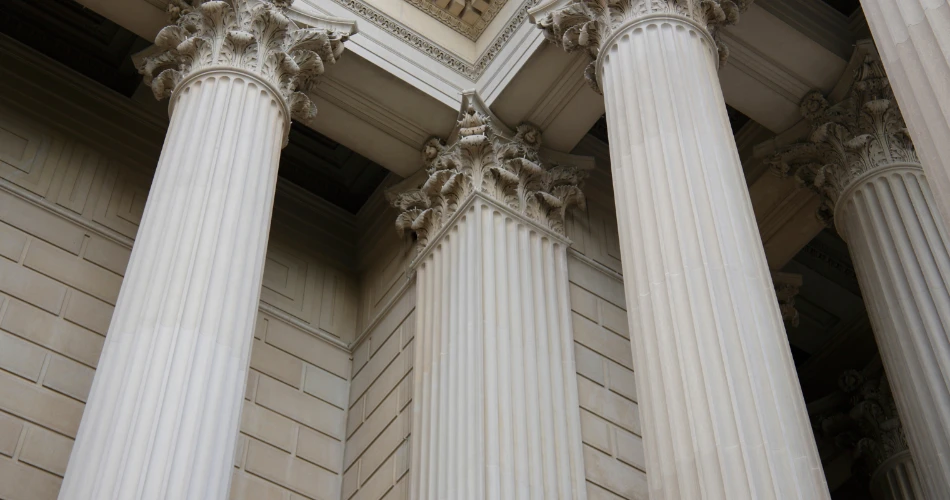
بالنسبة للطلاب والمؤرخين وعشاق التراث، ليست المكتبة مجرد مبنى بل ملاذ للحكمة الخالدة. مع أعمدتها اليونانية الرومانية، والأعمدة الكورينثية، والواجهة المهيبة، تجسد سحر العمارة الاستعمارية في مومباي. ومع ذلك، ما يوجد داخلها هو أكثر إثارة للإعجاب - كنز من الكتب والمخطوطات، بعضها يعود تاريخه إلى مئات السنين.
بينما تنمو مومباي لتصبح مركزًا ماليًا عالميًا، تواصل مكتبة الجمعية الآسيوية حماية قرون من المعرفة، موصلةً الماضي بالحاضر.
تأسيس مكتبة الجمعية الآسيوية
تعود أصول الجمعية الآسيوية في مومباي إلى عام 1804، عندما أسسها السير جيمس ماكنتوش كـ "الجمعية الأدبية في بومباي." في ذلك الوقت، كان الإداريون الاستعماريون والعلماء والمفكرون يبحثون عن مركز لتبادل الأفكار وتوثيق أنظمة المعرفة الواسعة في الهند. على مر السنين، تطورت لتصبح واحدة من أرقى خزائن الأدب والفن والتاريخ في الهند.
بحلول عام 1830، كانت المكتبة تقع في مبناها النيوكلاسيكي الحالي، الذي يقع بشكل استراتيجي في دائرة هورنيمان. وتزامن تأسيسها مع زيادة التركيز من قبل الحكم البريطاني على تصنيف ودراسة تاريخ الهند وثقافتها وتجارته. لم تخدم هذه المبادرة المصالح البريطانية فحسب، بل خلقت أيضًا بشكل غير مباشر أساسًا للهنديين لاستعادة ودراسة تراثهم الخاص.
سرعان ما أصبحت المكتبة معروفة بمجموعتها من المخطوطات باللغة السنسكريتية والفارسية والعربية، جنبًا إلى جنب مع نصوص أوروبية نادرة. كما تشمل أرشيفاتها سجلات استعمارية رسمية، مما يجعلها مصدرًا لا يقدر بثمن للباحثين الذين يدرسون التطور الاجتماعي والسياسي للهند.
عظمة معمارية: أيقونة نيوكلاسيكية
لا يمكن الحديث عن مكتبة الجمعية الآسيوية دون الإعجاب براعتها المعمارية. بنيت على الطراز النيوكلاسيكي اليوناني الروماني، تجذب البنية الانتباه فورًا بسلمها الواسع المكون من 30 درجة بيضاء تؤدي إلى رواق مهيب. الأعمدة الكورنثية الطويلة، التي تذكر بالمعابد الرومانية القديمة، ترمز إلى العظمة والاستقرار والأناقة الخالدة.
تعكس تناظر الواجهة، والجزء العلوي المثلث، والأسقف العالية الهوائية داخل المكتبة جميعها التأثير المعماري الأوروبي خلال الفترة الاستعمارية. ومع ذلك، على مر الزمن، أصبحت البناية رمزًا لهوية مومباي، حيث تظهر بشكل متكرر في الفعاليات الثقافية والأفلام وأدلة السياحة.
داخل المكتبة، تعتبر قاعة القراءة الكبرى عالمًا من الاحترام الهادئ. تخلق صفوف من رفوف الكتب الخشبية، والثريات الكلاسيكية، والسياجات المنحوتة أجواءً تشعر بأنها غير متأثرة بمرور الزمن. غالبًا ما يصف الزوار هذا المكان بأنه كأنه العودة إلى القرن التاسع عشر، حيث كانت المعرفة تتعلق بالسعي وراء الجمال كما كانت تتعلق بالمعرفة.
المخطوطات النادرة والمجموعات الثمينة
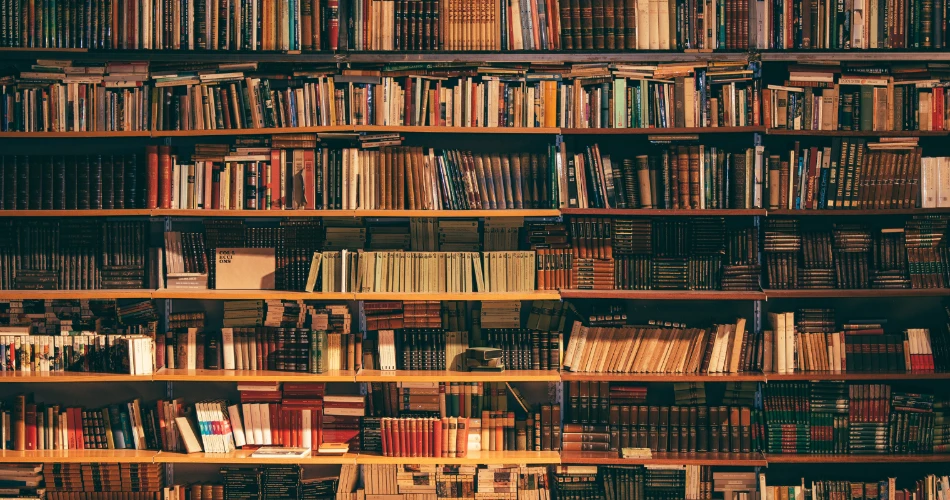
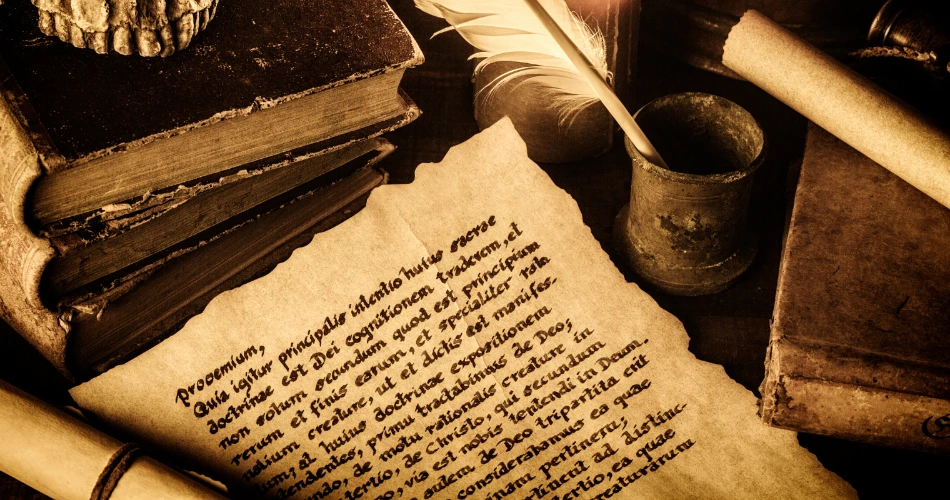
تكمن الروح الحقيقية لمكتبة الجمعية الآسيوية في مجموعتها. تضم المكتبة أكثر من 100,000 كتاب، وهي جنة لعشاق الكتب والمؤرخين على حد سواء. من بين ممتلكاتها الأكثر قيمة مخطوطة "الكوميديا الإلهية" لدانتي، واحدة من أشهر الأعمال الأدبية في العالم. ولؤلؤة أخرى في تاجها هي المخطوطة النادرة باللغة السنسكريتية لـ "المهبهاراتا"، إلى جانب النصوص الفارسية والعربية التي تضيء التقاليد الفكرية المتوسطة الهندية.
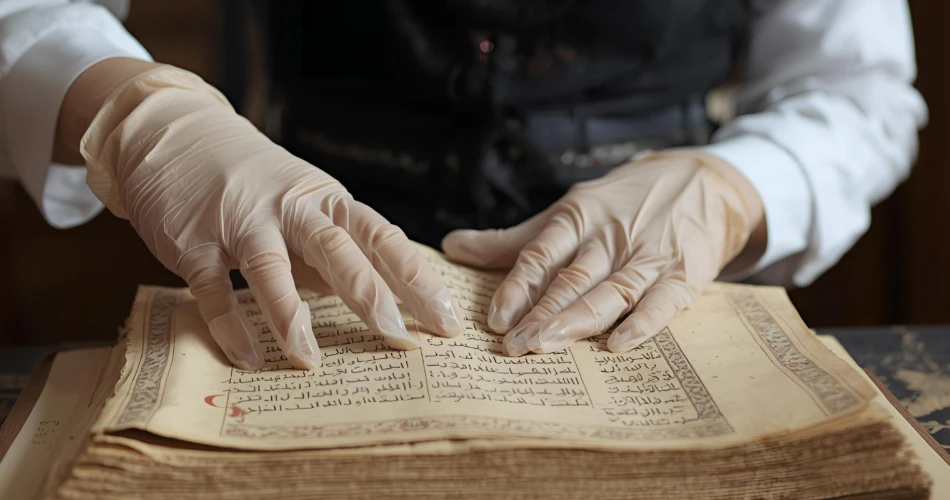
تمتلك المكتبة أيضًا 9,000 مخطوطة نادرة بعدة لغات، بما في ذلك البراكريت والأردو والغوجاراتي. يتم الحفاظ على هذه المخطوطات تحت ظروف أرشيفية صارمة، مما يعكس التزام المؤسسة بالحفاظ على التراث الثقافي للهند. تضيف الخرائط والسجلات الحكومية ومذكرات السفر مزيدًا من الغنى للمجموعة، موفرة رؤى لا تقدر بثمن حول الماضي الاستعماري للهند وشبكات التجارة.
بالنسبة للباحثين، ليست المكتبة مجرد مكان للقراءة—إنها تجربة غامرة حيث يمكن للمرء لمس الصفحات التي شكلت الحضارات.
دور المكتبة في البحث الحديث
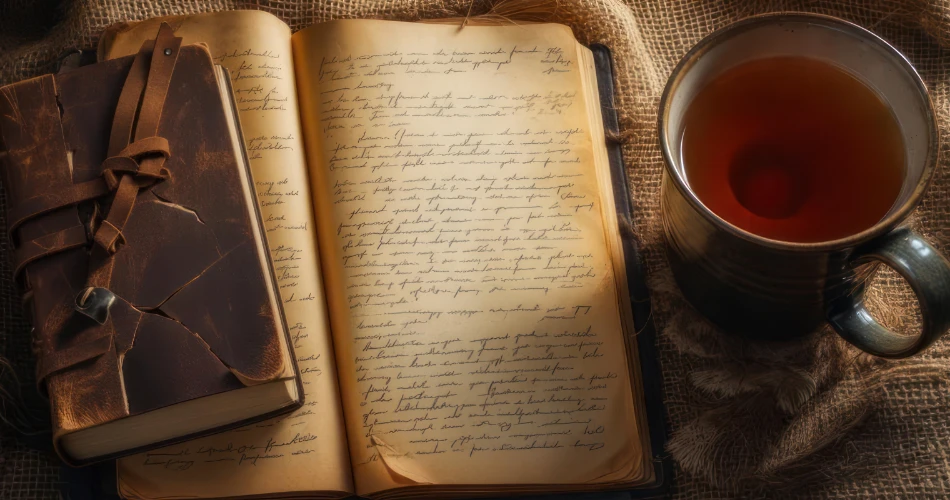
بينما تثير مكتبة الجمعية الآسيوية الحنين، إلا أنها تبقى ذات صلة عميقة في الوقت الحاضر. يتوافد العلماء من جميع أنحاء العالم هنا لاستشارة المخطوطات النادرة والأرشيفات، لا سيما في مجالات الهندسة وعلم الإنسان والتاريخ. غالبًا ما تقدم مخطوطات المكتبة وجهات نظر بديلة للحسابات الاستعمارية، مما يساعد الباحثين على بناء فهم أكثر تعقيدًا لماضي الهند.
كانت الرقمنة خطوة حاسمة أخرى. في السنوات الأخيرة، تم بذل جهود لمسح ورقمنة المخطوطات الهشة، مما يضمن وصولًا أوسع مع حماية النسخ الأصلية الهشة من التدهور. يبرز هذا التوازن بين التقليد والتكنولوجيا تكيف المؤسسة في عصر المنح الرقمية.
علاوة على ذلك، تستمر المكتبة في استضافة المحاضرات والفعاليات الثقافية والندوات، مما يضعها كمركز للحوار الفكري في مومباي الحديثة. يمتد تأثيرها إلى ما هو أبعد من الدوائر الأكاديمية، مما يعزز ثقافة تقدير التراث بين الجمهور العام.

تحديات الحفاظ على كنز التراث
على الرغم من روعتها، تواجه مكتبة الجمعية الآسيوية تحديات ملحة. الوقت، والتلوث، ومناخ مومباي الرطب تهدد باستمرار الحفاظ على مخطوطاتها وكتبها. infestations من النمل الأبيض، والغبار، وأنظمة التحكم في المناخ غير الكافية تشكل مخاطر إضافية.
كما كانت التمويل قضية مستمرة. يتطلب الحفاظ على التراث موارد مالية كبيرة، وبدون دعم حكومي أو مؤسسي مستمر، يصبح من الصعب الحفاظ على مثل هذا المستودع الكبير. ومع ذلك، تدخلت المنظمات غير الحكومية، والمنظمات الثقافية، وحتى الرعاة الأفراد على مر السنين لضمان استمرار المكتبة في مهمتها.
تعد المعركة للحفاظ على هذه المؤسسة رمزية لنضال أكبر: التوازن بين التحديث والمسؤولية عن حماية التراث الثقافي. تقف مكتبة الجمعية الآسيوية كتذكير بأن التاريخ، بمجرد فقدانه، لا يمكن إعادة إنشائه.
مكتبة الجمعية الآسيوية كمعلم ثقافي
تجاوزت المكتبة الآسيوية قيمتها العلمية، وأصبحت معلمًا ثقافيًا في مومباي. لقد استضافت درجاتها كل شيء بدءًا من المهرجانات الأدبية إلى تصوير الأفلام، مما جعلها ملاذًا علميًا وأيقونة ثقافة شعبية. تتعرف أجيال من سكان مومباي على المبنى ليس فقط لجماله المعماري ولكن أيضًا لدوره في تشكيل الهوية الفكرية للمدينة.
غالبًا ما يجد السياح الذين يزورون جنوب مومباي أنفسهم مشدودين إلى المكتبة، ليس فقط بسبب كتبها ولكن بسبب هالة التاريخ التي تنبعث منها. يتصل المبنى بسلاسة بدائرة التراث الخاصة بالمدينة، والتي تشمل معالم مثل بوابة الهند ومتحف شاترا باتي شيفاجي مهراج.
بهذه الطريقة، تتجاوز مكتبة الجمعية الآسيوية دورها كمجرد مستودع للكتب - بل تصبح مسرحًا حيث تتقاطع تاريخ وثقافة وهوية مومباي الحديثة.

الخاتمة: شهادة حية على المعرفة
مكتبة الجمعية الآسيوية أكثر من مجرد مكتبة—إنها نصب حي لفضول الإنسان، والعلم، والفخر الثقافي. من المخطوطات النادرة إلى روعتها الكلاسيكية الجديدة، تستمر في إلهام الدهشة والاحترام في كل زائر.
بينما تتقدم مومباي نحو المستقبل، تبقى المكتبة حارسة لماضيها، ضامنة أن الأجيال القادمة ستظل قادرة على الوصول إلى الكنوز الثمينة للتاريخ والمعرفة. إن بقائها والحفاظ عليها يرمزان إلى المسؤولية الجماعية للمدينة لحماية التراث الثقافي.
بالنسبة لأي شخص يزور مومباي، فإن الوقوف على تلك الخطوات البيضاء والنظر إلى الأعمدة الشاهقة لا يتعلق فقط بتقدير العمارة—إنه يتعلق بالاعتراف بقرون من الحكمة التي تنتظر بهدوء داخلها.